Powered by Blogger.

Thursday, February 3, 2022

Who is a journalist? What are the qualifications and responsibilities?


Who is a journalist? It is a hard question to answer. Everyone can be a journalist when it comes to gathering information and sharing news. Years ago, we could say that what differentiates it is a bachelor’s degree, which in some places is not required anymore to practice the profession. So, how could we define it? 
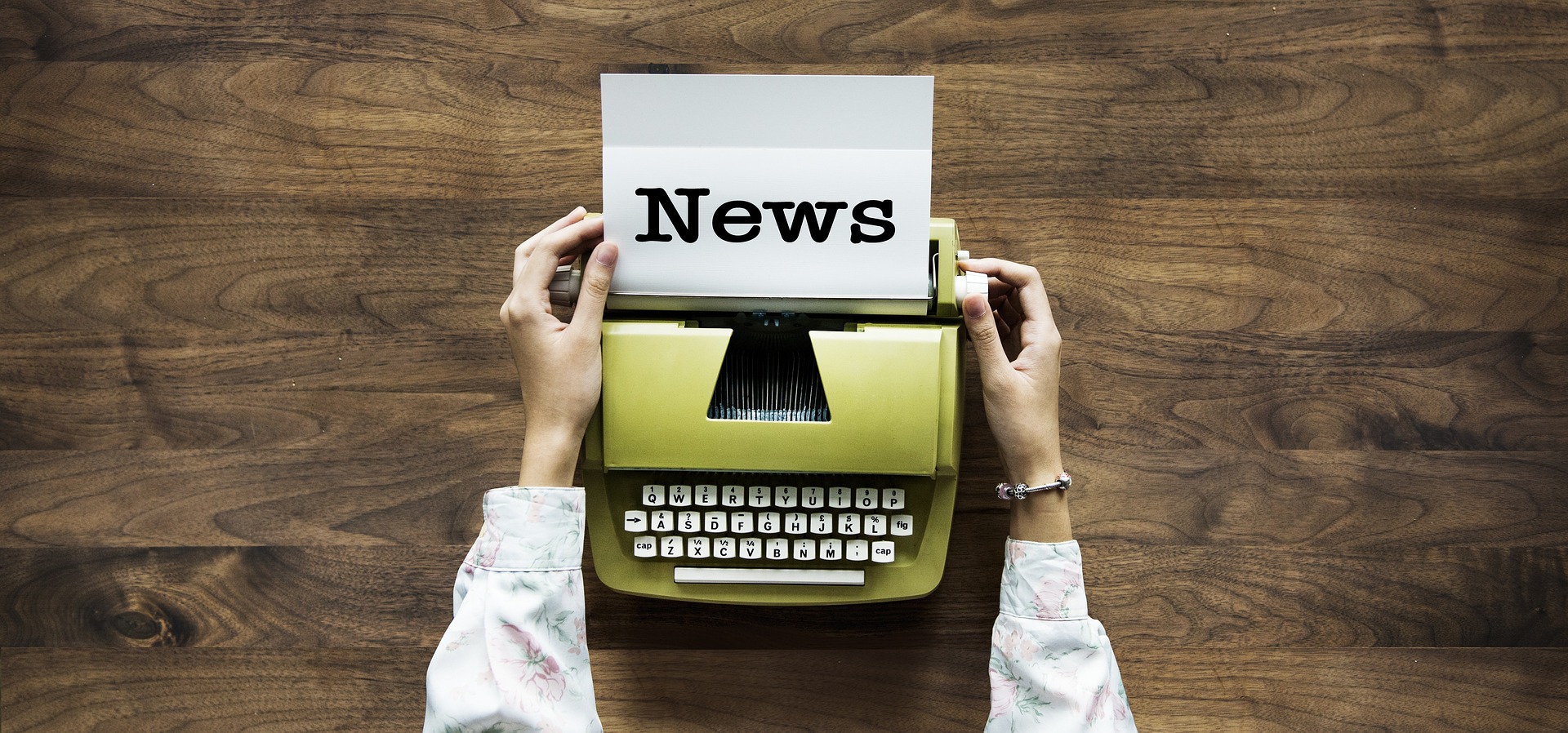
Credit: Pixabay

The first thing I learned when I was in college, is that a journalist must be impartial do no matter what he has to cover or write about. He should always be objective regardless of his biases and beliefs. Now, I just learned a new meaning of objectivity. It is not about a person being objective, but the method used to precisely collect and test information. And this makes way more sense since we cannot disassociate ourselves from our background and experiences. 

Learning that made me realize that one of our main qualifications, besides writing techniques, is to be able to examine our own biases, be conscious of what we believe, and manage it, keeping them in or out of a story when they are inappropriate.

And his connects with the most relevant purpose of journalism, in my opinion, which is to serve the public interest. As Bill Kovach and Tom Rosenstiel say in The Elements of Journalism, is “the function news plays in the lives of people.” It is part of our role to choose which stories to cover, how to cover them, and also think of how they affect everyone's lives. After all, people can use the report to make decisions about their lives, communities, and societies. This decision-making, which is based on our biases, changes everything. 

Truth is the key

Speaking of responsibilities, telling the truth about facts is the first one. And to achieve that, we need to use our objectivity: find reliable sources, verify information, and make sure it is accurate and transparent for the audience. It is a commitment to citizens. This compromise also includes offering a voice to the voiceless and representing varied viewpoints and interests in society. 
One interesting point that I would highlight is the concentric sources of information. It emphasized the importance of verifying sources and classifying them according to their different levels. 

To sum up, we can define a journalist by the purpose of his work and by the methods used to check and produce a “functional truth”. I agree with the authors when they say that journalists no longer decide what the public should or should not know. Now, their main role is “to verify the information the consumer already has or is likely to find and then help them make sense of what it means and how they might use it.” 

In the same way that journalists have to be responsible for the content they create and share, people also need to be aware of the kind of information they consume, make their minds, and decide for themselves why they should believe it or not. That is why media literacy is essential.

References:


Leslie, Gregg 2009, Who is a "journalist"?, Reporters Committee for Freedom Press, accessed 03 February 2022, <https://www.rcfp.org/journals/the-news-media-and-the-law-fall-2009/who-journalist/>.


American Press Institute, Journalism Essentials, accessed 03 February 2022, <https://www.americanpressinstitute.org/journalism-essentials/>


*This article was submitted as a memo assignment for the course "Current Issues of Journalism" at the University of Illinois.

Published: By: Manu Ferreira - 2/03/2022 01:57:00 PM

Sunday, January 30, 2022

Journalism during the Trump administration


Over the decades, Journalism coverage has passed through several changes. We can include in that bucket of challenges, the transformation and evolution of media, and social episodes that happened, such as wars, elections, Nazism, racism, democracy, pandemics, and so on. The last challenge we have faced was the Donald Trump administration. Not that it had been as devastating and killer as the examples above, but because, in a certain way, it contained all of those problems involved at the same time. 

Donald Trump | Credit: Pixabay

In a situation like that, journalists and reporters needed to find a way to manage the crisis and inform people despite all objections. The most important premise that was supposed to be kept in mind was, as CNN said in its promo video, the focus on “facts first”. But did we get out of that track? 


The first problem I found was how some news organizations were euphemistic and reticent in calling all Trump’s untruths “lies”, even though fact-checkers had shown that thousands of his claims were falsehoods. If the focus of journalists is true stories, their role must include checking the “alternative facts” and exposing them the way they are. Or, which is even worse, to use impersonal language like talking about the failures of “Congress” when what is meant is “the Republican Party”’, as quoted in the Columbia Journalism Review (CJR) article. 


How to choose what will be news?
Another point that caught my attention is the power we have, while journalists and editors, to choose the news that is going to be covered and how they will be covered, and more important: our ability to concentrate on relevant matters. It can be easily exemplified with the rape and sexual assaulting accusations that did not receive the coverage they deserved, because some other scandals appeared in the same week. This also connects to episodes when Trump or his supporters would release new pieces of information to make a buzz and distract the media from another unwanted subject, which reinforces that we have to be aware of these disinformation strategies and know how to respond to them. 


Something that has contributed to this age of misleading information is social media. Donald Trump recognized its potential and used it constantly to share wrong data and fake news that many people believed was real. And that brings us to another challenge: How to combat them when the content is promoted in such a powerful media that reaches millions of people in a few seconds? 


The answer is revealing the truth, even if it won’t receive the same amount of likes or shares, and even between an audience who was primed to view journalism as dissent 


An example of an improvement came from Wisconsin

Among many problems, however, I see improvements. From the beginning of the president's mandate to the end, many news sources fought against misleading information. One specific case I recognized as very interesting, was during the elections and all the falsehoods about fraud in the ballots. In the middle of so much pressure, the politics reporter for the Milwaukee Journal Sentinel, Patrick Marley, opted to hold on covering the story until the state elections commission officially announced that no Wisconsin ballots were among the discarded mail 


It highlighted to me how important is to wait to gather the right information, instead of just publishing it without checking and making sure that it was true, and confronting it with the fake news. In this particular story, the reporter put Trump’s claims in context, showing them against the backdrop of Trump’s previous assaults on mail-in voting and connecting mail issues to funding cuts and related slowdowns at the United States Postal Service. 


I agree with the CJR reporters Jon Allsop and Pete Vernon when they say that the systemic problems faced during Trump’s administration were here before and will last long. The solution for these journalism failures will take a while to happen. 


References:


Allsop, Jon; Vernon, Pete 2020, How the press covered the last four years of Trump, Columbia Journalism Review, accessed 28 January 2022, <https://www.cjr.org/special_report/coverage-trump-presidency-2020-election.php>.


Karbal, Ian W. 2020, How careful local reporting undermined Trump’s claims of voter fraud, Columbia Journalism Review, accessed 28 January 2022, <https://www.cjr.org/covering_the_election/voter-fraud-local-journalism.php>.

*This article was submitted as a memo assignment for the course "Current Issues of Journalism" at the University of Illinois.
Published: By: Manu Ferreira - 1/30/2022 01:22:00 PM

Wednesday, January 26, 2022

Champaign's High Schools now have metal detectors

After months of conversations between parents and the school district, Champaign’s High Schools now have metal detectors at the entrance. The machines were installed at Central and Centennial units over the holiday break and are fully working for the spring semester.

Credit: Manu Ferreira

The goal of this new safety measure is to detect weapons and guarantee protection to the kids and staff. In the last semester, schools went on lockdown after shooting episodes happened in the town. To avoid or minimize those incidents, the Champaign school board acquired eight dual-lane metal detectors from Evolv Technology. The cost for their operation is about $237,000 per year for the next four years.

“School security and student/staff safety has always been and must always be our number one priority. With the increasing gun violence in our community and other communities across the nation, along with the need for more school lockdowns, we are also improving and instituting new measures,” explains Joe Williams, principal of Champaign Central High School.

The pieces of equipment are called Evolv Express, which has high-speed sensors and AI software to identify threats. They work similarly as a screening process in an airport, for example, but less harsh. Students and staff just need to walk through it. If it detects any harmful item, the lights on the side will turn red, instead of green, and the sound alarm will beep. On the monitor is possible to see images that indicate with a red square where the object is, regardless if it is on a person or in his bag.

As they are looking for weapons, the detectors won’t go off for everyday items, such as cellphones, keys, watches, or wallets. The only thing that needs to be out of their backpacks is their chrome book. Due to its express functioning, the metal detectors don’t interrupt the flow of people at the entrance and don’t cause long lines.

Parents are pleased that the devices were installed and hope they will help to stop cases of violence and insecurity at schools. “I think we’ve had enough incidents this year between the various high schools here. I think it is probably a good idea at this point to have some sort of way to manage what is coming in the building,” says Julie Sweet, mom of a freshman student.

For Carey Saunders, another student’s mom, metal detectors are okay as long as they are for their safety. “I don’t think they have confiscated anything so far, but it’s good to have this protection,” affirms.

Photo by Manu Ferreira

*This article was published on the UI7 Newsroom website.

Published: By: Manu Ferreira - 1/26/2022 10:30:00 AM

Saturday, March 17, 2012

Ensaio geral do Lenine - Chão

Gente, o ensaio geral do show de Lenine, na última quinta-feira (15) no Teatro Luiz Mendonça - Parque Dona Lindu - foi tuuuuuudo! Foi quase como um showzinho particular, uma prévia dos shows da turnê 'Chão'. Adoreeeei.


Teve umas promoções no twitter e facebook? E graças ao Fã Club ÃO, ganhei um par de ingressos pra conferir todos os detalhes do show.

No repertório: "Chão", "O silêncio das estrelas", "Se não for amor, eu cegue", entre outras músicas lindaaaas. Muito emocionante. No show, Lenine usou um efeito sonoro - ideia de seu filho (muuuito fofo) Bruno - no qual parecia que o som estava rodeando o teatro. Massa!

Beijos (:
Por
EmanuellaJoyce
Published: By: Manu Ferreira - 3/17/2012 03:26:00 PM

Saturday, December 10, 2011

Saudades...

Sinto saudades de tudo que marcou a minha vida. Quando vejo retratos, quando sinto cheiros, quando escuto uma voz, quando me lembro do passado, eu sinto saudades...

Sinto saudades de amigos que nunca mais vi, de pessoas com quem não mais falei ou cruzei... Sinto saudades da minha infância, do meu primeiro amor, do meu segundo, do terceiro, do penúltimo e daqueles que ainda vou ter, se Deus quiser...

Sinto saudades do presente, que não aproveitei de todo, lembrando do passado e apostando no futuro...

Sinto saudades do futuro, que se idealizado, provavelmente não será do jeito que eu penso que vai ser...

Sinto saudades de quem me deixou e de quem eu deixei! De quem disse que viria e nem apareceu; de quem apareceu correndo, sem me conhecer direito, de quem nunca vou ter a oportunidade de conhecer.

Sinto saudades dos que se foram e de quem não me despedi direito!
Daqueles que não tiveram como me dizer adeus; de gente que passou na calçada contrária da minha vida e que só enxerguei de vislumbre!

Sinto saudades de coisas que tive e de outras que não tive mas quis muito ter!
Sinto saudades de coisas que nem sei se existiram.
Sinto saudades de coisas sérias, de coisas hilariantes, de casos, de experiências...

Sinto saudades dos livros que li e que me fizeram viajar!
Sinto saudades dos discos que ouvi e que me fizeram sonhar,
Sinto saudades das coisas que vivi e das que deixei passar,
sem curtir na totalidade.

Quantas vezes tenho vontade de encontrar não sei o que... não sei onde... para resgatar alguma coisa que nem sei o que é e nem onde perdi...

E é por isso que eu tenho mais saudades... Porque encontrei uma palavra para usar todas as vezes em que sinto este aperto no peito, meio nostálgico, meio gostoso, mas que funciona melhor do que um sinal vital quando se quer falar de vida e de sentimentos.

Ela é a prova inequívoca de que somos sensíveis!
De que amamos muito o que tivemos e lamentamos as coisas boas
que perdemos ao longo da nossa existência...

Clarice Lispector
Published: By: Manu Ferreira - 12/10/2011 09:51:00 AM

Wednesday, November 30, 2011

Curso de formação de tradutores no Recife

Se você quer se especializar e garantir um emprego bacana nos próximos anos com a realização da Copa das Confederações em 2013 e o Mundial de 2014 aqui em Pernambuco, fique ligado!

É que a empresa israelense MilkTrados Agency vai realizar em parceria com Faculdade Estácio (FIR) do Recife um curso de formação de tradutores. As inscrições já estão abertas e a turma começa no dia 05 de janeiro de 2012.

O objetivo do curso é atrelar a teoria e a prática, passando técnicas inovadoras que farão à diferença quando o aluno for traduzir ou interpretar.

As aulas serão ministradas pela Diretora executiva da agência na Holanda, tradutora e intérprete, Julia Chade, formada pela Universidade de Tel Aviv, em Israel.

Podem participar profissionais e alunos que dominem ao menos um língua estrangeira e atuem na área de tradução e interpretação, direito, relações internacionais, letras, jornalismo, administração e pessoas interessadas em ingressas na profissão de tradutor.

Informações pelo email: translationcourses@milktrados.com ou pelos fones (81) 96989000 ou 98043737.

Serviço:
Início das aulas: 05 de janeiro de 2012
Horários: Terças e quintas 18:30 hs as 22 hs e aos Sábados das 9 hs as 17 hs
Carga horária: 40horas
Local: Faculdade Estácio do Recife - Av. Eng. Abdias de Carvalho, Nº 1678

@EmanuellaJoyce 
Published: By: Manu Ferreira - 11/30/2011 12:56:00 PM